Production of Natural Gas Substitute and Liquid CO2 for Dutch Horticulture to Start by Late 2025
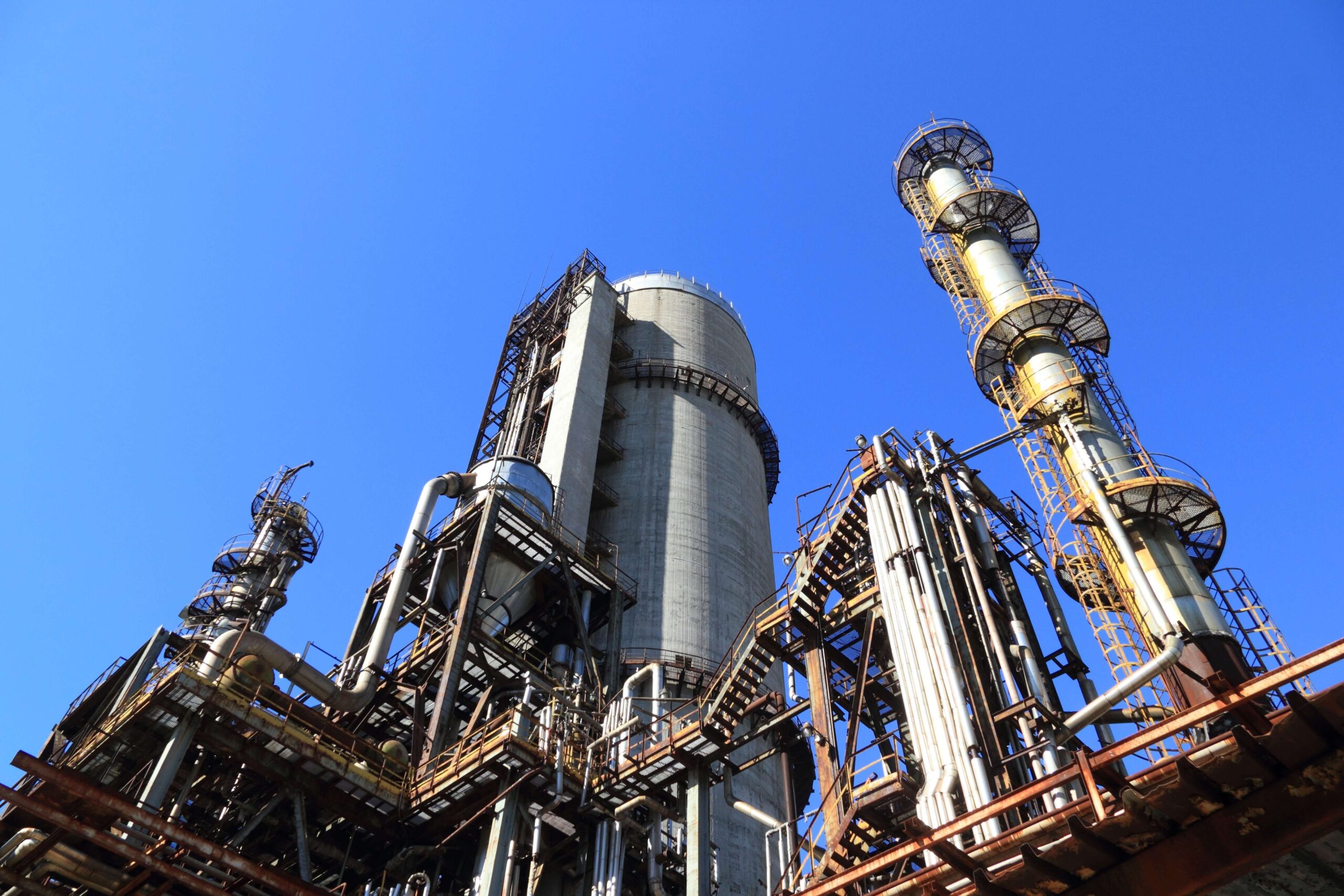
Moerdijk / Amsterdam, January 23, 2025 – Sustainable raw materials producer Perpetual Next has been awarded €30 million in subsidies to support the production of green gas and liquid CO2. The SDE++ grants were allocated to expand Perpetual Next’s existing biogas facility in Moerdijk. Confirmation of this funding was recently received from the Netherlands Enterprise Agency (RVO).
The permit to implement the necessary upgrades to the facility was granted last year. Now, with the subsidies secured, the factory expansion is expected to be completed later this year. Green gas—upgraded biogas—is the most sustainable and high-quality alternative to natural gas and can be supplied directly to the Dutch gas grid starting next winter. With a total capacity of six million cubic meters per year, Perpetual Next is one of the largest green gas producers in the Netherlands.
A Natural Gas Alternative and Liquid CO2 for Dutch Horticulture
Currently, Perpetual Next’s Moerdijk facility produces biogas derived from the fermentation of residual streams from the food processing industry, such as expired supermarket products and restaurant waste. The electricity generated is supplied to the public grid, while the heat is distributed to local businesses via a heat network. Upgrading to green gas will not only make the factory’s output more sustainable but also significantly improve efficiency across the entire chain. Furthermore, as part of the green gas production process, Perpetual Next can produce and supply liquid CO2 to local horticulturalists.
René Buwalda, Perpetual Next’s executive board member, said:
“We are deeply grateful to the Netherlands for granting €30 million in subsidies to Perpetual Next for the production of green gas and liquid CO2. We’re also incredibly proud of our team, as this factory will finally align with our own mission to produce the most sustainable alternative to natural gas. This step is also a boost for regional horticulturalists, who can greatly benefit from our liquid CO2 to grow their crops after being hit hard by the energy crisis. We depend on our horticulturalists’ products here in the Netherlands, and we’re pleased to contribute to their success. It’s proof that sustainability is possible in the Netherlands—by doing the right things and persevering.”
Replacing Natural Gas Across Europe
In addition to its biomethane (green gas) production in the Netherlands, Perpetual Next is active in the United Kingdom and Poland. Replacing natural gas is a top priority in Poland, where Perpetual Next is developing multiple production facilities in joint ventures with local partners. Based on the blueprint established at Moerdijk, Perpetual Next has incorporated ten green gas production facilities into its European growth strategy.
Buwalda added:“For Europe, reducing reliance on natural gas and achieving sustainability are top geopolitical priorities. This is driving explosive demand for green gas, particularly in Poland. According to the European Biogas Association, Europe currently produces 21 billion cubic meters of biogas and biomethane annually. Production is expected to double to 35-45 billion cubic meters by 2030 and could increase fivefold by 2050 to 167 billion cubic meters. Thanks to our unique production blueprints, we are well-positioned to meet this demand quickly by replicating our success at Moerdijk across multiple locations in Europe.”
About Perpetual Next
Perpetual Next specializes in converting organic waste into valuable renewable raw materials, intermediates, energy, and associated technologies. With over 100 employees, its own production facilities, and global patents, the company develops solutions to make industries more sustainable. Perpetual Next primarily focuses on the production of biomethane (green gas) and biomethanol—biocommodities that are in growing global demand.