In July of this year, biocommodities producer Perpetual Next secured the raw materials needed for the annual production of 440,000 tonnes of biomethanol in the United States and Europe. The biomethanol will be derived from low-grade carbon sources, primarily wood waste. It serves as a one-to-one replacement for fossil-based methanol and is used in the chemical industry as a feedstock for a variety of products.
Wood waste in the United States
The potential of wood waste in the United States is significant, but it often remains untapped as most of this waste is either sent to landfills or incinerated. To address this, Perpetual Next finalized its first joint venture on 12 June this year to construct a biomethanol plant in Florida, using wood waste as the primary feedstock.
By leveraging Perpetual Next’s torrefaction technology, low-grade wood waste can be converted into homogeneous, high-grade carbon, which serves as a semi-finished product for biomethanol production. Biomethanol, in turn, can be used in the chemical industry to manufacture a variety of products. On 10 July, an agreement was signed with the American company Veransa to supply the necessary feedstock until 2050.
In preparation for the large-scale utilization of scrap wood in the United States, investments are currently being made in Perpetual Next’s plant in Belgium. Both the pretreatment processes for scrap wood and the plant’s infrastructure and automation are being modified and optimized to serve as a blueprint for the planned facility in the United States.
Biomethanol in Europe: Higher EBITDA against lower investments
On 7 December 2023, Perpetual Next announced its commitment to biomethanol production in Europe, including the expansion and adaptation of its operational torrefaction plant in Estonia. This will enable the plant to handle the increased production volume of torrefied material required to produce 220,000 tonnes of biomethanol annually.
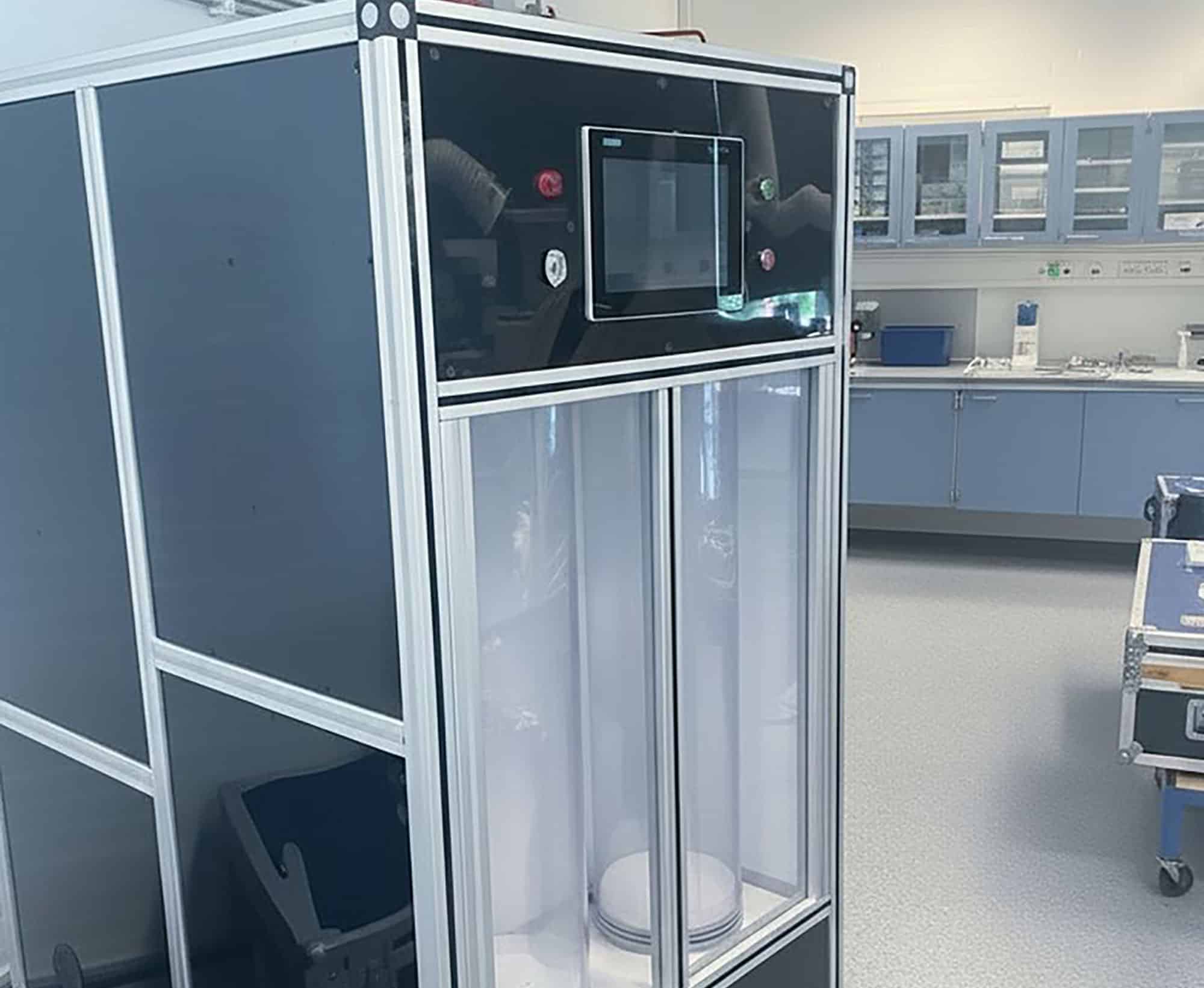
On 27 March 2024, Perpetual Next and the American company TSI signed an agreement to produce the world’s largest torrefaction reactors, capable of quadrupling production per reactor. These larger reactors will enable Perpetual Next to achieve higher production volumes with relatively lower investment costs. The increased biomethanol revenues, combined with lower operational costs, will result in substantially higher EBITDA over this production volume. Installation of the new reactors is currently being coordinated with local authorities, after which the infrastructure of the Estonian plant will be adapted in the near future.
On 5 July, INGKA Investments signed an agreement to supply wood residues to Perpetual Next in Estonia. The increased production volume and the focus on biomethanol were key factors for INGKA Investments to extend and renew its existing partnership with Perpetual Next.
A Strategic Vision for Growth
René Buwalda, CEO of Perpetual Next Conversions, commented: “Entering into partnerships for our raw materials supports our growth plans. Scaling up involves many more steps, which we will take carefully with the best partners. In addition to securing the raw materials we need, we also select strategic partners with the capacity to provide financing. The planned expansion means that we can achieve an EBITDA of 500 million euros with our own production facilities by 2030. Due to the increased volume, we are also in negotiations with various parties interested in trading our biomethanol. Today, I want to especially thank the team at Perpetual Next and our investors. The accelerating demand for biomethanol has driven a major transition in the market, happening far faster than we anticipated. All our teams have worked tirelessly to prepare our plants for biomethanol, one of the commodities of the future. I believe that’s a fantastic achievement.“